

### Blog Post:
Air to water heat pump systems are changing the way homeowners heat and cool their spaces, combining energy efficiency with long-term savings and sustainability. Yet, installation costs, system selection, and retrofit challenges leave many people unsure about taking the plunge. This guide cuts through confusion with real numbers, no-nonsense analysis, and clear action steps to set you up for success.
Key Takeaways
- Installed costs for air to water heat pumps in the US typically range from $4,243 to over $21,000, with complex retrofits running much higher. Federal and local incentives may offset costs, but rebates are capped and expire in 2025.
- System selection—split versus monobloc—impacts installation, efficiency, and maintenance, but data comparing user satisfaction remains limited.
- Sizing, radiator compatibility, and operational costs are often poorly explained by suppliers; homeowners must research carefully when considering a retrofit.
- What Is an Air to Water Heat Pump and Why Does It Matter?
- Step-by-Step Guide: Selecting and Installing Your System
- Advanced Analysis & Common Pitfalls
- Conclusion
- Frequently Asked Questions
What Is an Air to Water Heat Pump and Why Does It Matter?
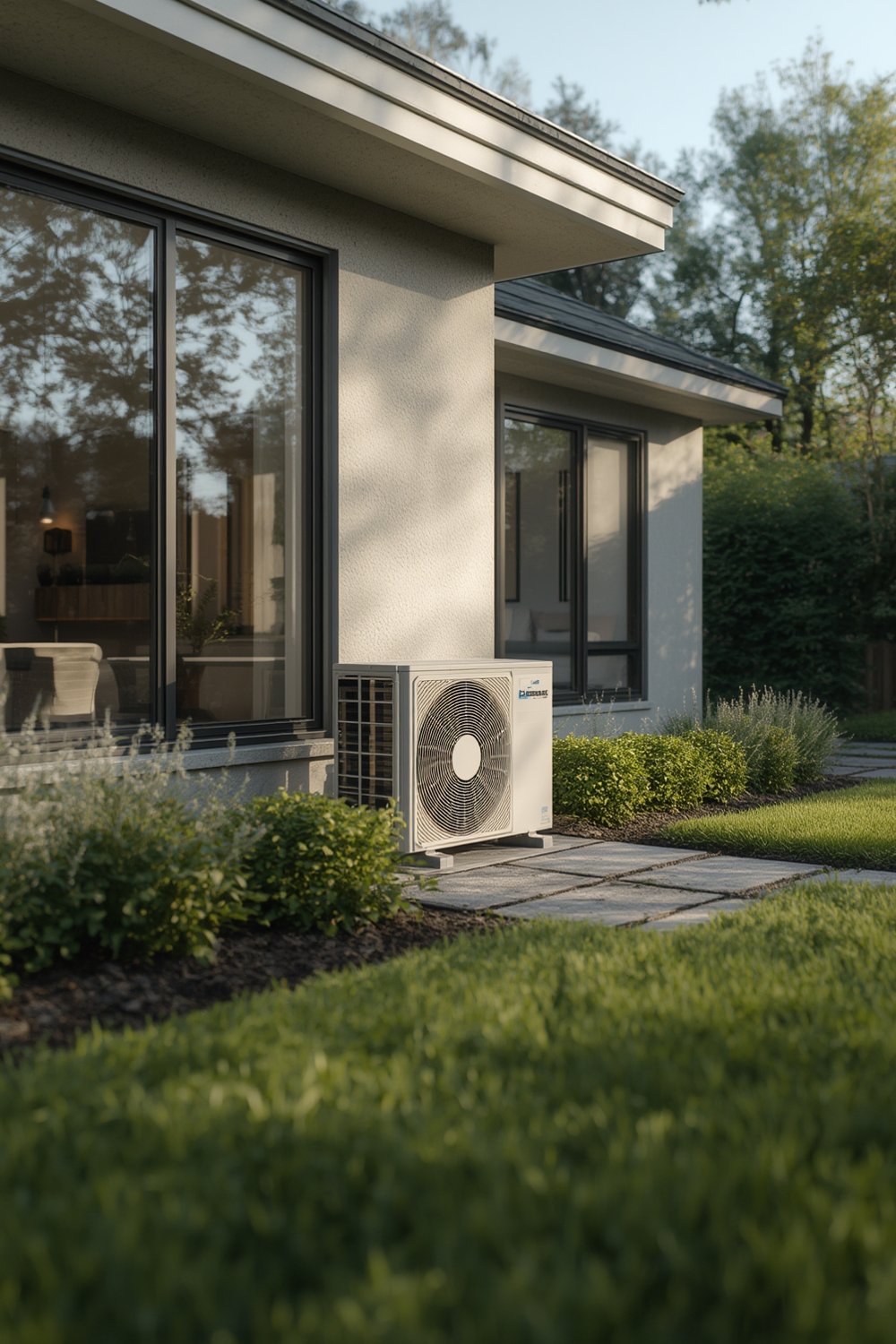
An air to water heat pump takes energy from outdoor air and uses it to heat water, which can then be used for radiators, underfloor heating, or domestic hot water. Unlike standard air conditioners or air-to-air heat pumps, these systems connect to water-based (hydronic) circuits, making them ideal for home heating and cooling—especially in climates with fluctuating temperatures.
Rising energy costs and climate policies are driving more homeowners to look at air to water heat pumps as a path to lower long-term bills and a smaller carbon footprint. With the right planning, they can deliver comfort, versatility, and considerable savings, especially when paired with available incentives.
Still, initial costs remain higher than gas or electric boiler systems—especially in older homes that need extensive retrofitting. Understanding the technology, choosing the right configuration, and planning for actual install realities will set realistic expectations for performance and payback.
Step-by-Step Guide: Selecting and Installing Your System
Getting the best from an air to water heat pump starts with careful planning. Here’s what to do, step by step, to avoid surprises:
1. Assess Your Property and Compatibility
- Determine if your radiators or underfloor loops work with lower water temperatures. Older radiator systems may need upgrading to maximize heat pump efficiency—see our home decor ideas 2025 guide for beautiful ways to retrofit modern radiators.
- Check your home’s insulation and draft-proofing—good insulation upgrades reduces the size (and cost) of the heat pump required.
2. Choose Monobloc or Split System
- Monobloc units have all major components in a single outdoor box—often easier and less invasive to install, but can struggle in extreme cold without backup.
- Split systems use an indoor and outdoor unit—better cold climate performance and flexibility, but more moving parts and plumbing.
- Ask your installer for SEER or COP ratings for both types. Higher ratings mean better efficiency but expect to pay more for a top-tier unit (source).
3. Get Quotes and Check Incentives
- Prices for air to water heat pump systems (including labor) can run $4,243–$7,938 on the low end, but premium or complex installs easily reach $16,500–$40,000 (Energysage).
- Apply for federal and local rebates before signing contracts. The US federal tax credit covers up to 30% of the total install (capped at $2,000 and ending Dec 31, 2025—details here).
- If you are planning other upgrades (new floorplan, decor, or insulation), bundle them into a single project to maximize incentives and slash long-term costs.
4. Prepare for Installation and Retrofits
- Expect more disruption in older homes. Pipe upgrades, larger radiators, or underfloor heating are often needed—budget carefully and ask for a timeline.
- Plan temporary heating (especially in winter) as old systems may be disconnected for several days during switchover.
5. Commission, Test, and Monitor
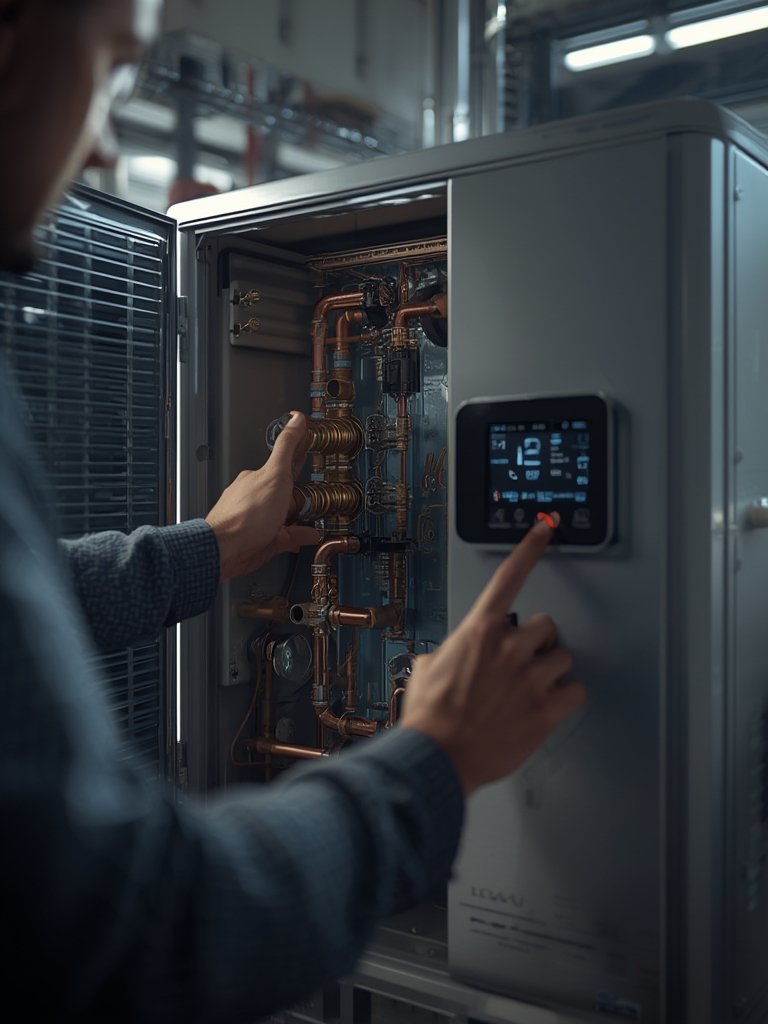
- Once installed, have the installer commission and set up controls for your specific layout.
- Review warranty coverage and set up a service plan.
- Use a smart thermostat for the first month to track performance—monitor energy use and comfort so you can fine-tune settings.
Advanced Analysis & Common Pitfalls
No technology is perfect, and air to water heat pump retrofits come with unique challenges. Here’s what the data and real-world projects reveal:
Installation Costs and Regional Variations
| Region | Low-End Installed ($) | High-End Installed ($) | After Incentives ($) |
|---|---|---|---|
| US (National) | 4,243 | 7,938 | ~16,500 |
| Florida | 10,140 | — | — |
| New York | 19,413 | — | — |
| Massachusetts | 21,716 | — | — |
| Complex/Retrofit | — | 40,000+ | — |
Data from Energysage and HomeAdvisor
Pitfalls to Watch For
- Insufficient data on hydronic-specific performance: Unlike air-to-air or ductless mini splits, there’s a lack of field test results for air to water heat pumps, especially in sub-zero climates. Many manufacturers quote performance at mild temps, not arctic lows.
- Retrofit headaches: Reusing old radiators or plumbing often means poor efficiency. Upgrading radiators or switching to underfloor heating can add thousands to your budget and weeks to project time.
- Rebates are not guaranteed: Federal programs may expire or change—always confirm with your installer and apply early. Not every product or contractor qualifies for incentive programs.
- Maintenance and part scarcity: Some brands offer limited service networks. If you live outside a major urban area, check for local service availability before buying.
- Payback period uncertainties: With high upfront costs and no reliable adoption/payback data specific to air to water systems in 2024, actual ROI depends on your utility rates and use patterns.
- Sizing is critical: Many installers guess based on rules of thumb. Insist on a detailed calculation to avoid discomfort and wasted energy. See our tips on budget home decor for ways to prep your home for maximum system efficiency.
Monobloc vs. Split: Efficiency & User Reports
Real-world data from users is thin, but split systems are generally reported to perform better in colder climates, at the expense of higher install complexity. Higher SEER/COP-rated units save on long-term operating costs but demand a bigger initial investment (Angi). User reviews are hard to find for hydronic systems specifically—demand references from your local installer or seek out neighbors who have completed similar retrofits.
Operational Costs and Optimization
Many top-ranking articles overlook true ongoing operating costs. Utility rates, thermostat settings, and system design all matter. Overly optimistic payback claims are common—ask for actual case studies, or track your own consumption after installation to compare real savings. See our sustainable home design ideas to boost your returns.

Conclusion
Air to water heat pump projects are a smart move for comfort and efficiency, but initial costs, technical gaps, and property compatibility issues demand real preparation. Weigh the installation and operational realities, push for thorough quotes, and ensure your installer is experienced with hydronic retrofits—not just standard air-source units. Done right, an air to water heat pump can future-proof your home and reduce your energy bills for years to come. Ready for your energy upgrade? Reach out to a trusted local contractor and see how much you could save.
Frequently Asked Questions
How much does an air to water heat pump cost to install?
Typical installed costs in the US range from $4,243 to $21,716, depending on home size, region, and complexity of the retrofit. Challenging projects or older homes can require budgets above $40,000. Federal and local incentives may lower the final bill.
Are air to water heat pumps suitable for radiator systems?
Yes, but your radiators must be sized for lower water temperatures (typically 110-130°F). Smaller or older radiators may need upgrading to maintain room comfort and system efficiency.
Do these systems work in very cold weather?
Most quality split air to water heat pump systems are designed to operate even at -10°C (14°F) or lower, but actual performance varies. Select a unit with proven low-temperature COP ratings, and consider supplemental heating in extreme climates.
What is the difference between monobloc and split heat pumps?
Monobloc units combine all components outside, simplifying installation but sometimes limiting cold-climate performance. Split systems split the compressor and heat exchanger, delivering higher efficiency and better reliability in challenging weather.
How do I maximize efficiency and comfort with my system?
Prioritize insulation upgrades, get a professional heat loss calculation, use upgraded radiators or underfloor heating, and optimize control settings. Pair these with smart thermostats and regular maintenance for best long-term results.
—