

Heat pump water heater technology is changing how homeowners manage hot water, offering up to four times the efficiency of standard gas models—yet confusion about true savings, incentives, and installation persists.
Key Takeaways
- Heat pump water heaters can cut energy use by over 70% compared to standard electric heaters, but require careful installation planning.
- Federal and state incentives lower your out-of-pocket cost, but eligibility and amounts vary—Energy Star models and pro installation are musts.
- Most online guides skip real-world pitfalls on noise, space needs, and climate suitability—it’s crucial to know these before investing.
- How Heat Pump Water Heaters Work and Why They Matter
- How to Choose and Install a Heat Pump Water Heater—Step by Step
- Advanced Analysis and Common Pitfalls: What Most People Get Wrong
- Conclusion
- FAQ
How Heat Pump Water Heaters Work and Why They Matter
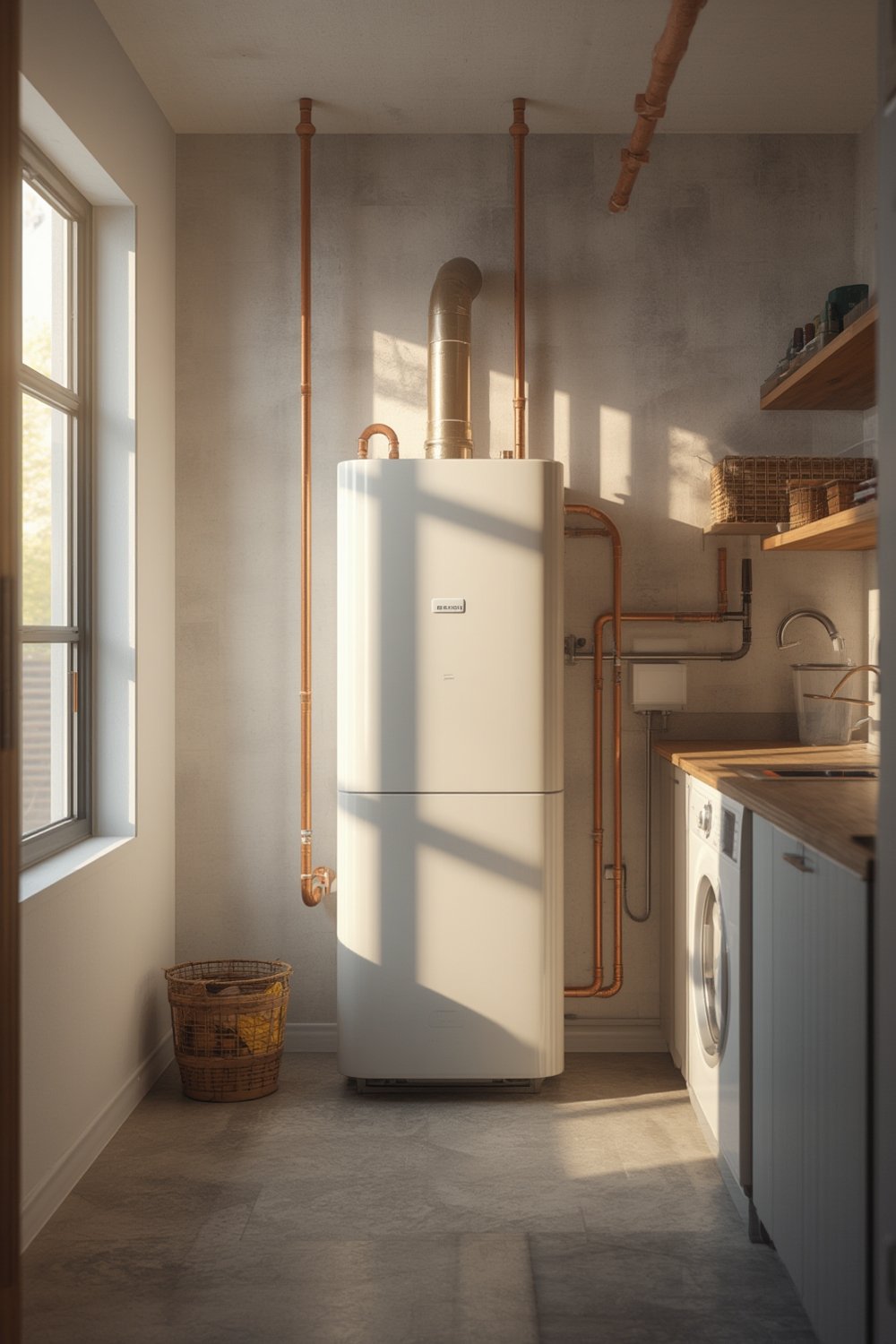
Unlike gas or resistance electric heaters that generate heat directly, heat pump water heaters pull warmth from surrounding air to heat your water tank. This clever design slashes energy use, leading to Uniform Energy Factor (UEF) ratings of 3.3–4.1 for top models—a huge jump from the outdated 0.63–0.95 UEF scores of gas units. Most HPWHs run efficiently in moderate or warm climates and are highly valued where clean electricity cuts household emissions. The payoff? Families regularly report annual energy savings near $550, recouping thousands over the unit’s lifespan.
How to Choose and Install a Heat Pump Water Heater—Step by Step
Thinking about switching from a gas or conventional electric water heater? Follow these practical steps to maximize your success and avoid hidden surprises:
- Verify Suitability: Does your home have the right space? You need 700–1,000 cubic feet of room (e.g., a basement, utility, or garage with spare heat). Chilly, cramped spaces mean efficiency and performance will suffer.
- Pick the Right Size: Choose a tank capacity matching your household use. ENERGY STAR recommends 50–80 gallons for families of four.
- Check Incentives: Find out if you qualify for a federal tax credit (up to 30% off, capped around $2,000—requirements may change yearly) or local rebates. Only Energy Star models with pro installation usually count. See updated requirements.
- Decide on Model Type: Basic HPWH or hybrid (with traditional electric elements as backup)? Hybrids offer more hot water speed in cold snaps.
- Book a Pro Install: Installers handle permits, electrical upgrades, and ensure safe placement away from sensitive living areas (reduces noise complaints).
- Optimize Your Settings: Configure for off-peak usage and hot water schedule. Some models let you prioritize energy savings or speed.
- Monitor and Maintain: clean air filters regularly and check for software or firmware updates—vital for lasting performance.
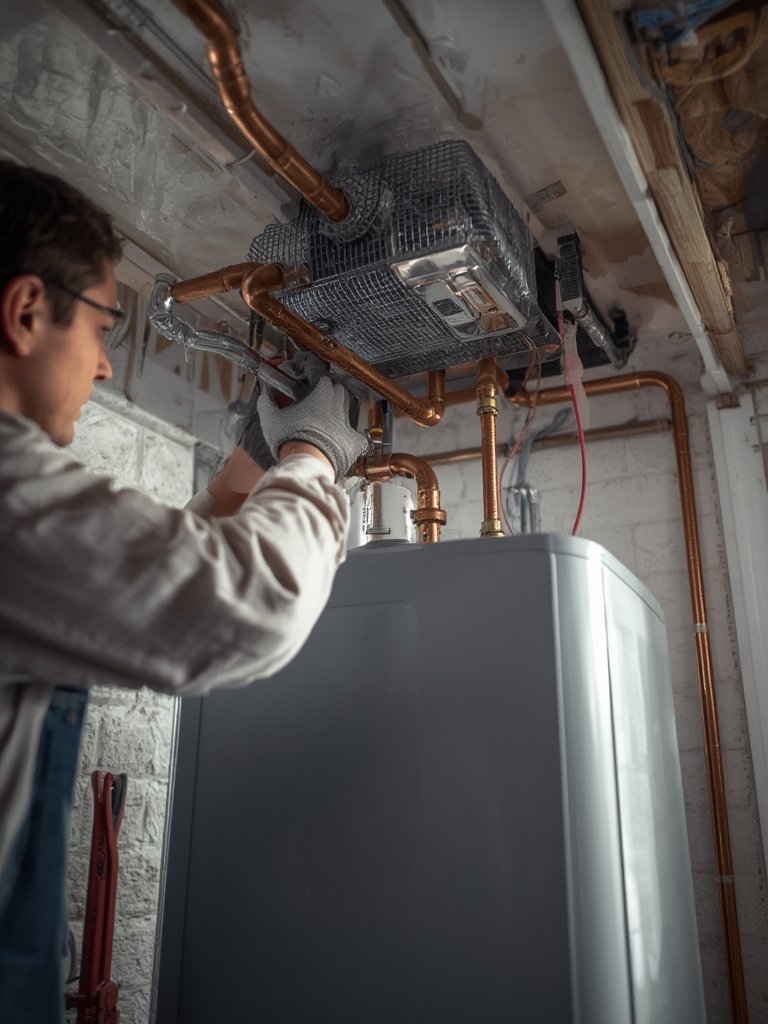
For those upgrading their heating system altogether, consider integrating your hot water with a hydronic heat pump system to maximize bill reduction and space efficiency. This approach is gaining traction among homeowners aiming to fully electrify and decarbonize their homes.
Advanced Analysis and Common Pitfalls: What Most People Get Wrong
While the energy savings hype is real, most homeowners and many top-ranking guides gloss over tough practicalities. Here’s what you should know before buying—and which problems to watch out for:
Comparing HPWHs to Gas Water Heaters: The Hard Numbers
| Water Heater Type | Uniform Energy Factor (UEF) | Est. Annual Operating Cost | Typical Lifespan | Average Energy Savings |
|---|---|---|---|---|
| Heat Pump Water Heater | 3.3 – 4.1 | $100 – $600 | 10–15 years | Up to 70% less than electric / 2–4x gas efficiency |
| Gas Storage Tank | 0.63 – 0.95 | $200 – $600 | 8–12 years | Base performance |
| Gas Tankless | 0.81 – 0.95 | $200 – $450 | 15–20 years | Saves up to 35% vs. tank models |
Source: Rheem Water Heating, Consumer Reports
Key Pitfalls & Challenges Homeowners Report
- Space Requirements: Many older homes lack the open floor area or room volume HPWHs need. If installed in a small closet, the unit can quickly underperform.
- Noise Factor: Although most marketing glosses over this, HPWHs can sound like a window AC unit—rarely shrill, but noticeable in close quarters.
- Climate Sensitivity: In unheated garages or cold basements, performance drops. Northerners should consider units with built-in hybrid heating or use best air to water heat pump for cold climate strategies.
- Upfront Cost: After incentives, the installation bill typically exceeds a gas water heater—although you recoup it through lower bills over several years. But this payback can be delayed if you face significant electrical upgrade costs.
- Rebates/Incentives Complexity: Federal rebates demand Energy Star ratings and pro install; local programs change annually and often require paperwork within a tight window.
- Maintenance Needs: You’ll need to clear intakes and condensate drains semi-regularly—if you ignore filters, efficiency suffers fast.
Most online competitor guides fail to address these drawbacks, focusing only on energy savings. Check local eligibility or rebate updates for your area—for instance, Silicon Valley Clean Energy promotes HPWHs in moderate climates to maximize cost and carbon savings; see SVCE’s perspective.
For whole-home upgrades on a budget, review the best home decor ideas 2025 to help reimagine utility spaces for maximum efficiency, comfort, and style.
Conclusion
For many US homeowners, upgrading to a heat pump water heater means dramatic drops in energy use and future utility bills—but only if you have the right space, climate, and are prepared for upfront cost and potential noise. Choosing a certified model and working with a trusted installer are keys to unlocking rebates, minimizing headaches, and enjoying years of steady performance. Start by evaluating your own home’s suitability then check local incentives, and you’ll harness the full payoff that today’s heat pump water heater tech offers.
Ready to make your home more efficient? Start exploring your heat pump water heater options or share this with a friend who’s weighing their next water heater purchase.
FAQ
How much can I really save each year with a heat pump water heater?
Most families cut hot water energy use by up to 70%—for a four-person home, that’s typically about $550 in annual savings based on national averages. Actual numbers vary based on climate, local rates, and your hot water demand.
Are there any major rebates or tax credits for heat pump water heaters?
Yes, federal tax credits (up to 30% of the cost, sometimes capped at $2,000) are available for Energy Star certified models. Most states and utilities add their own rebates, especially for all-electric, professionally installed products. Programs can change each year, so check both federal and local offers before you buy.
Do heat pump water heaters work well in every climate?
They work best in spaces where air temperatures stay above 50°F year-round—think basements and attached garages in most temperate climates. In cold locations or small enclosed spaces, hybrid models or placement near other heat sources perform better.
How noisy are heat pump water heaters?
They are generally as loud as a window AC unit. Most users don’t notice them when installed in garages or basements, but the hum and fan can be audible through thin walls if placed near bedrooms or living spaces.
What ongoing maintenance do I need to plan for?
Expect to clean the air filter every few months and check the condensate line to prevent blockages. Periodic software updates (if available) can also improve efficiency and reliability. Annual pro checks help keep warranties valid.